
Conventional or addressable fire alarm: which do you need?
How conventional and addressable fire alarm systems differ in detection, wiring, cost and maintenance, and which suits homes, plazas, factories and hospitals.
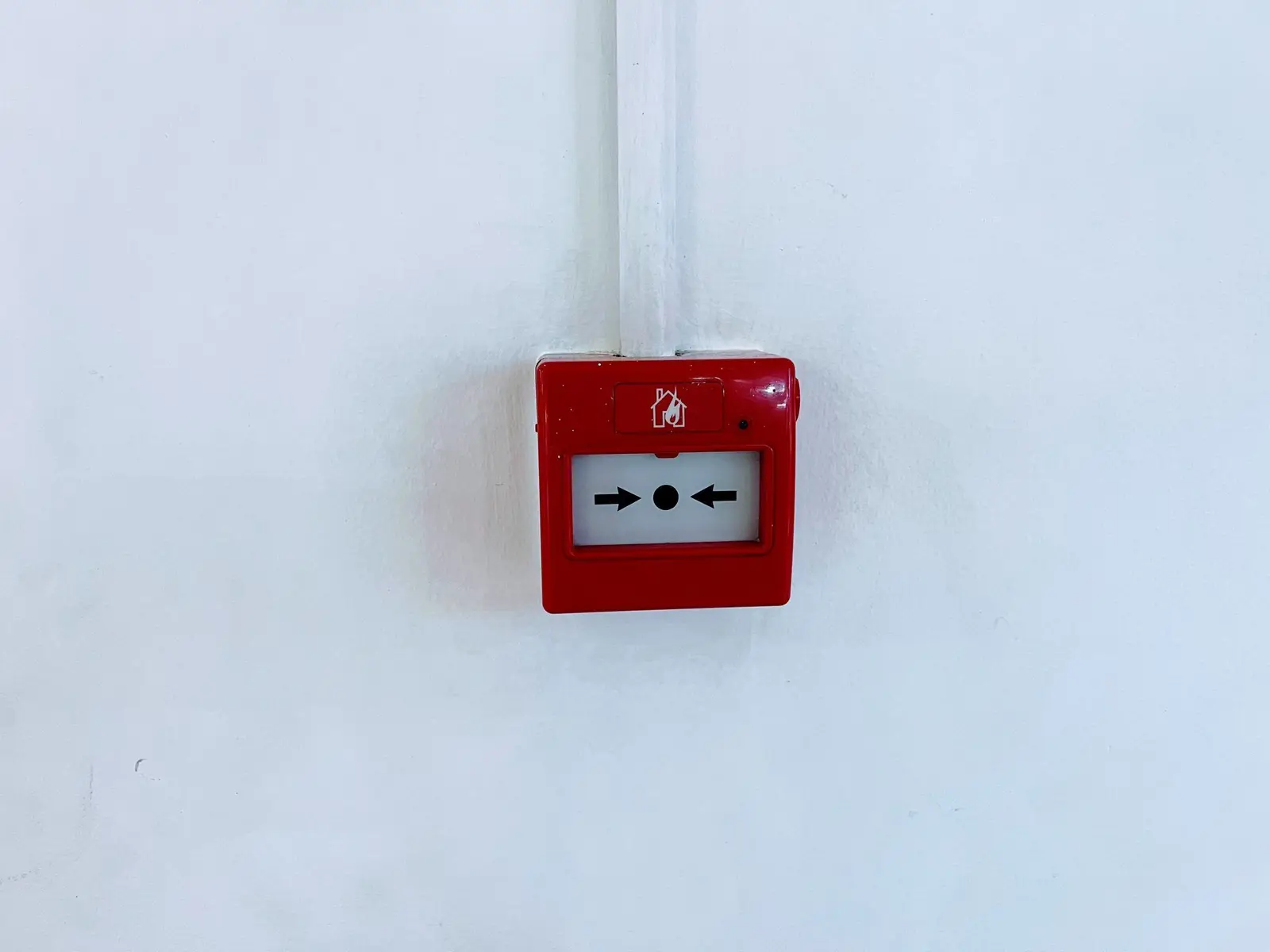
Every fire alarm system does the same basic job: detect smoke or heat early and warn people to get out. How it tells you where the fire is makes all the difference in a large building.
How they work
Conventional systems divide the building into zones, each wired as a circuit of detectors. When a detector triggers, the panel shows the zone, for example “Zone 3 – First floor”, and staff then search that area.
Addressable systems give every detector, call point and module a unique address on a loop. The panel shows the exact device, for example “Smoke detector 2-045, Server room”, so the response is immediate and precise.
Comparison
| Conventional | Addressable | |
|---|---|---|
| Location accuracy | Zone level | Individual device |
| Wiring | Radial circuit per zone | Loop wiring, fault tolerant |
| Best for | Homes, shops, small offices | Factories, hospitals, hotels, high-rises |
| Upfront cost | Lower | Higher |
| Maintenance | Simple | Faster fault-finding, device health monitoring |
| Integration | Basic outputs | Programmable cause-and-effect (lifts, HVAC, doors) |
Which should you choose?
- Up to roughly 8 zones in a simple layout: conventional is cost-effective.
- Multi-storey, many rooms, or 24/7 occupancy: addressable is worth it.
- Old buildings where cabling is difficult: consider wireless detectors.
Don’t forget the essentials
Whatever the system: the right detector type (smoke, heat or multi-sensor) for each room, manual call points at exits, sounders audible everywhere, battery backup, and regular testing.
MZS Tech designs both types to BS 5839 / NFPA 72 practice. Explore fire alarm systems or request a fire safety audit.