Colour night vision vs infrared: which CCTV is better at night?
How infrared and colour night vision cameras (ColorVu, Full-Color) differ after dark, and which one to choose for gates, streets and gardens.
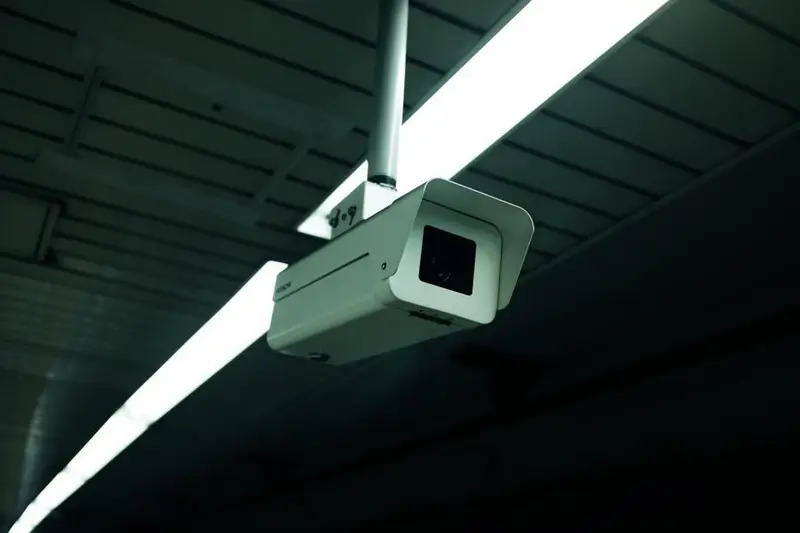
Most break-ins happen after dark, so night performance matters more than daytime resolution.
Infrared cameras
Standard cameras switch to black and white at night and light the scene with invisible infrared LEDs.
- Pros: work in complete darkness, invisible light, lower cost.
- Cons: no colour, so clothing and car colours are lost. Faces can wash out at close range.
Colour night vision (ColorVu, Full-Color)
These use a large-aperture lens and a sensitive sensor to keep colour using street light or moonlight. Most add a small warm-white light for complete darkness.
- Pros: colour footage at night, clearer detail, the light itself deters intruders.
- Cons: visible light, slightly higher cost.
| Location | Our pick |
|---|---|
| Main gate and porch | Colour night vision |
| Street with lamp posts | Colour night vision |
| Back lane, no lighting | Infrared or colour with warm light |
| Facing a neighbour’s window | Infrared |
| Bedrooms or private areas | No camera |
Our advice
Mix both. Put colour night vision where identification matters most (the gate and street) and infrared where light would be a nuisance. We plan this on site during a free survey. See our CCTV systems.