PTZ cameras: when they’re worth the money
What a PTZ camera does, where it beats fixed cameras, and where it doesn’t. A practical guide for factories, societies, farms and large houses in Pakistan.
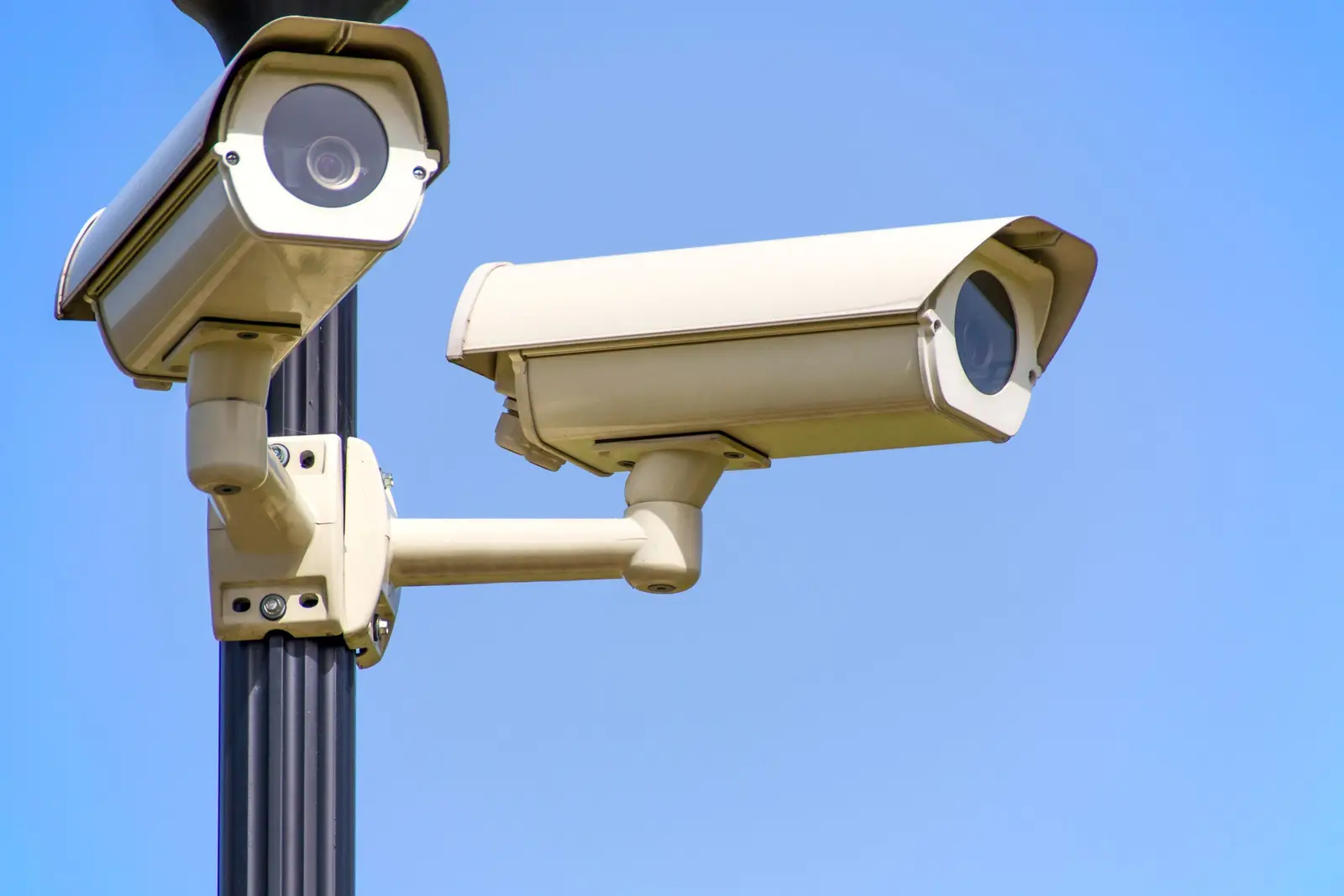
A PTZ camera can pan left and right, tilt up and down, and zoom optically. One camera on a tall pole can follow a vehicle across a yard or read a number plate a long way off. It is also the most misunderstood camera we install.
Where a PTZ earns its place
- Large open areas such as factory yards, parking lots, farms and housing-society gates.
- Sites with a guard room, where someone can steer the camera in real time.
- Places where you need to zoom in on detail at a distance, such as a gate 100 metres from the office.
Where fixed cameras are better
A PTZ looks at one spot at a time. While it is zoomed into the gate, it isn’t recording the back wall. For constant evidence, fixed cameras covering every entry point come first, and the PTZ is added on top.
| Fixed camera | PTZ camera | |
|---|---|---|
| Coverage | One view, all the time | One view at a time, movable |
| Zoom | Digital (loses detail) | Optical, 25× to 45× typical |
| Best use | Doors, gates, corridors | Yards, perimeters, large sites |
| Cost | Lower | Several times higher |
Features worth paying for
- Auto-tracking: the camera follows a person or vehicle on its own.
- Presets and patrol: it cycles between saved views when nobody is steering it.
- Alarm linkage: an electric fence or motion alarm turns it to the right zone.
Our advice
For most homes, a PTZ isn’t needed. For factories, societies and farmhouses, one PTZ alongside fixed cameras gives you both constant coverage and the ability to look closer. We plan this during the free site survey. See our CCTV systems.